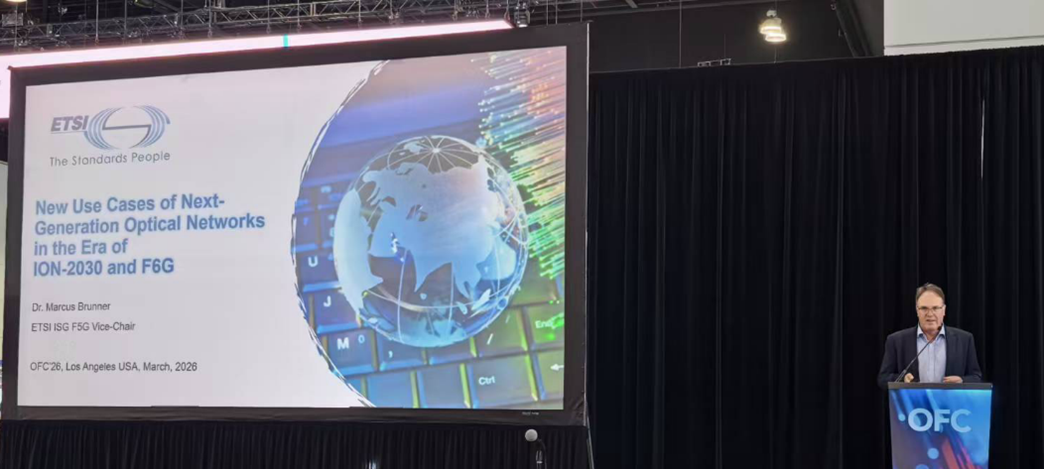
Figure 1: ETSI ISG F5G Vice-Chair on F5G Advanced Use Cases

8 April 2026, Marcus Brunner, ETSI ISG F5G Vice-Chair
ETSI ISG F5G participated with several contributions to OFC one of the premier conferences in optical communication space. First a joint session between ETSI and ITU-T on “Advances in Optical Networks towards 2030” has been held. Second, two ETSI ISG F5G Proof of Concepts have been accepted and demonstrate at the conference the use of AI for managing optical networks and to provide intelligent home services building on the FTTR technology.
ETSI ITU joint session on “Advances in Optical Networks towards 2030“
In the ETSI ITU joint session, the presenters were discussing the future directions of optical communication based on the various perspectives (SDOs, operators, and academia). The ITU-T SG15 presentation described the current status of the ITU-T SG15 ION-2030 project including the AI for data centre sub-project.
ETSI ISG F5G presented the current status and the latest published F5G Advanced use cases and the current discussion of F6G (F6G blog of the summary and F6G workshop presentations). Also the collaboration between ETSI ISG F5G and ITU-T SG15 have been highlighted by showing that PoC, use cases, and architectures from ETSI ISG F5G are using a lot of the technologies developed in ITU-T SG15.
Figure 1: ETSI ISG F5G Vice-Chair on F5G Advanced Use Cases

Figure 2: ETSI discussion of F6G
ETSI ISG F5G Proof of Concepts Demonstrations
In addition, two proof of concept demonstration of ETSI ISG F5G PoC programme are shown at OFC. For further detail see the blog post on the two PoCs. The one demo at OFC’26 is showcasing a distributed intelligence framework for FTTR (Fibre to the Room) providing intelligent services and optimising the home network, while complying with privacy regulations (e.g. GDPR).
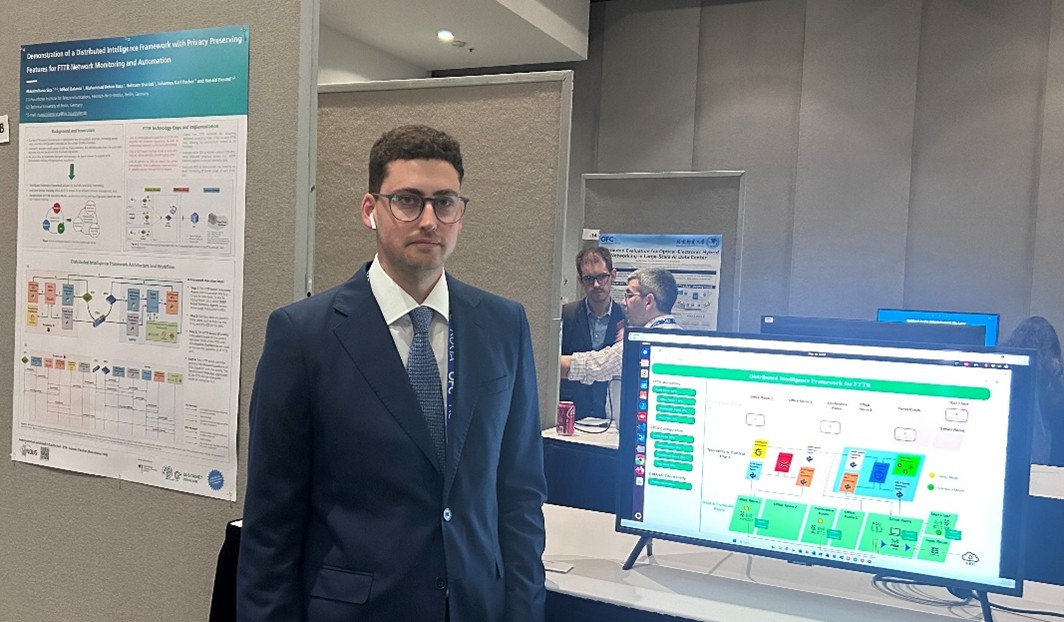
Figure 3: PoC on Distributed Intelligence for FTTR (Massimiliano Sica, Fraunhofer HHI)
The other demo shows the use of Large Language Models (LLMs) for managing and controlling F5G Advanced networks providing an easy way of managing optical networks in a Chatbot style using human language for monitoring and configuring complex optical networks.
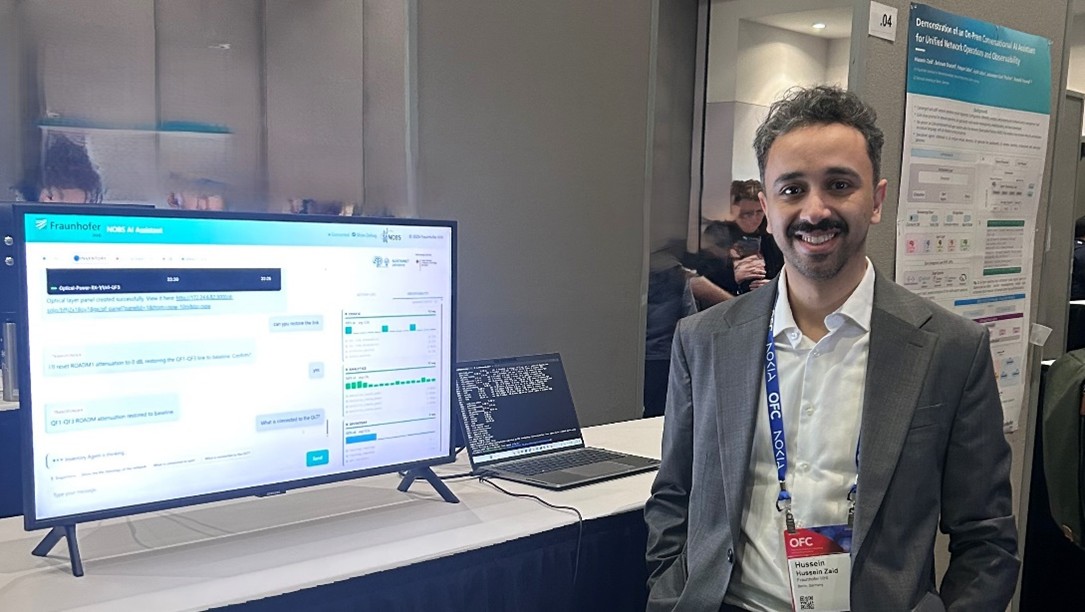
Figure 4: PoC on LLM managing F5G Advanced Networks (Hussein Zaid, Fraunhofer HHI)
